
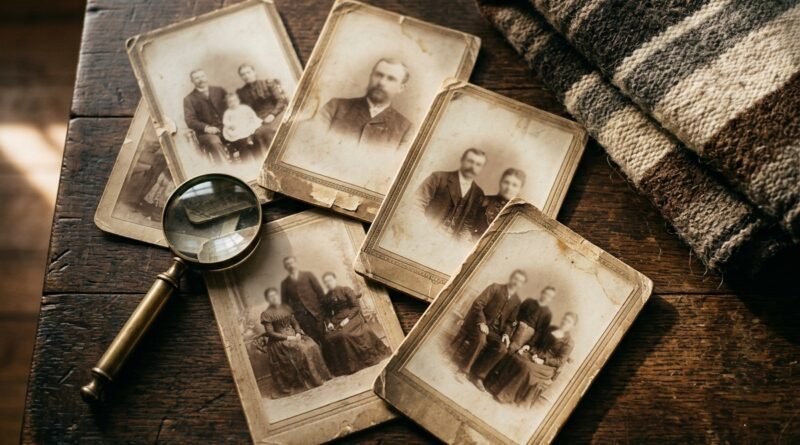
Reading a Plains Portrait: Eight Details Most People Miss
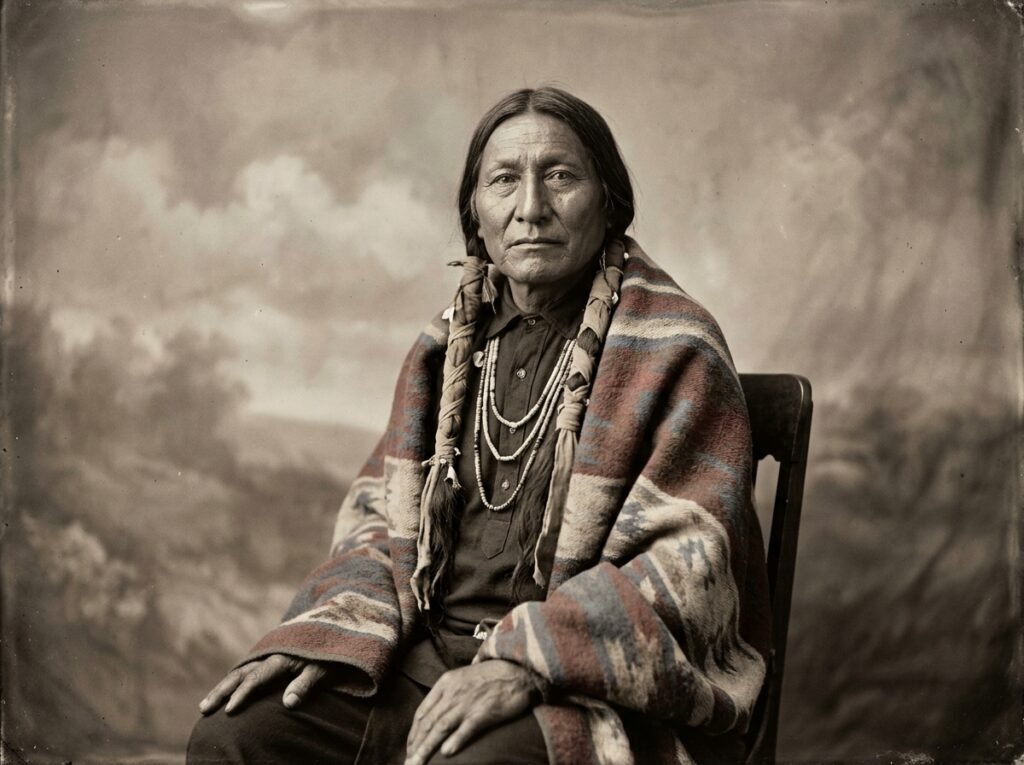
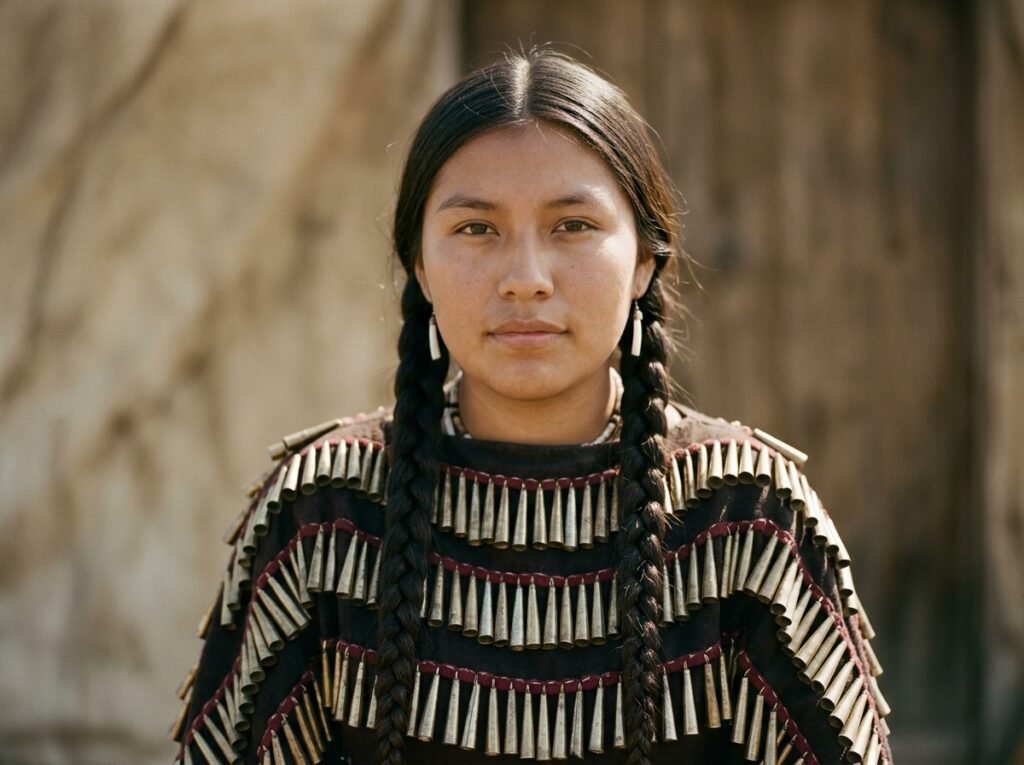
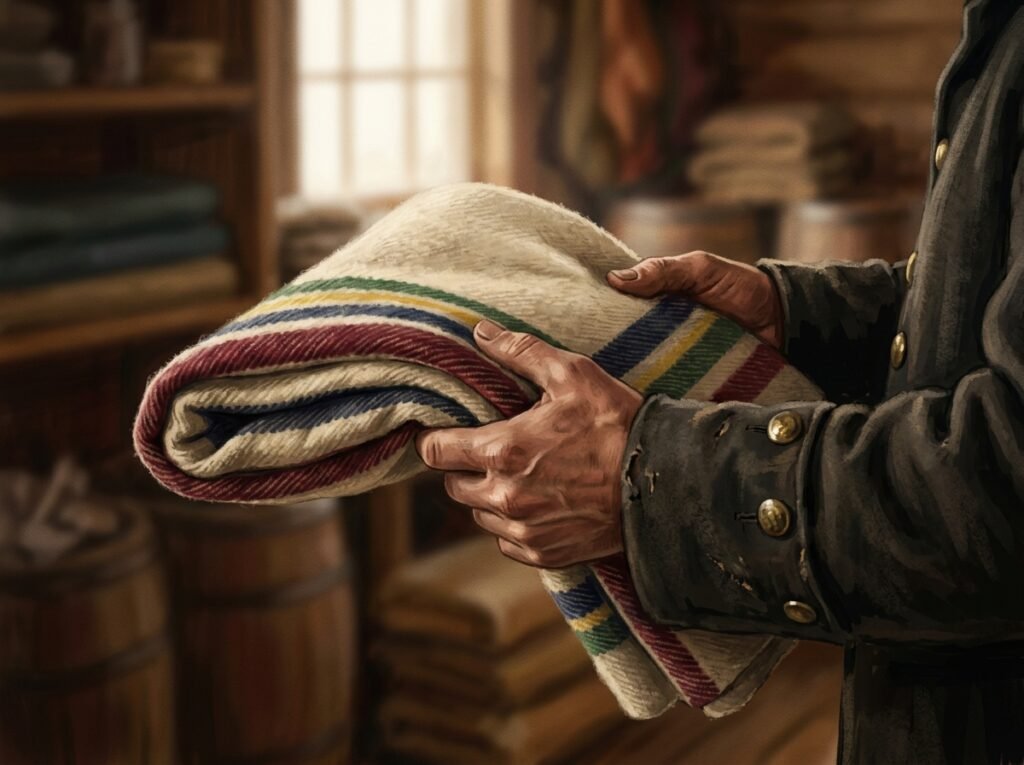
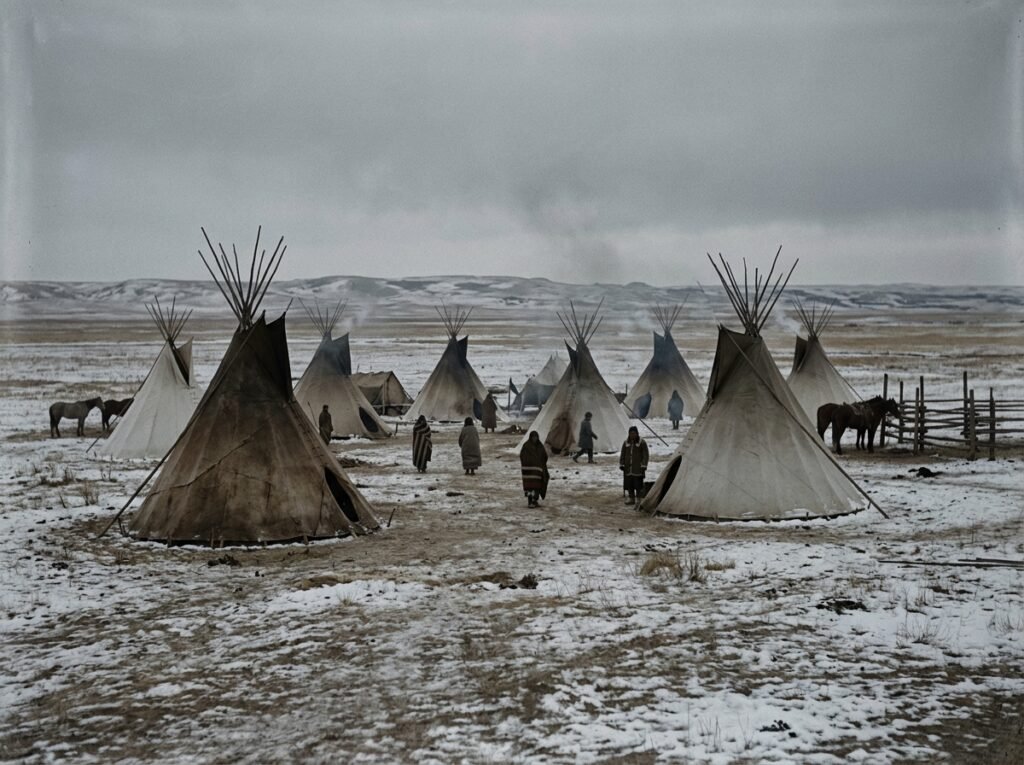
The images in this gallery are illustrations created for The Native Tales. They are not historical photographs, and each caption says so. They are here to show what to look for — the archives of the Smithsonian, the Library of Congress and the National Anthropological Archives hold the real ones, and they are free to view.
Nothing in the Frame Was Accidental
Most of us look at a nineteenth-century Plains portrait and see a costume. The person in the photograph did not see a costume. They saw a record: of nation, of family, of standing, of what had been survived. Almost every visible element was a decision, and many of them can still be read.
Here are eight things worth noticing the next time one of these images comes past you.
1. The photographer was in the room
Start here, because it changes everything else. A great many surviving portraits were made by non-Native photographers with their own ideas about what an Indian should look like. Some supplied props from a trunk, removed anything that looked modern, and posed their sitters against painted backdrops. What you are seeing is a collaboration at best and a construction at worst — a photograph of a real person, framed by somebody else’s expectations.
2. The headdress is rarer than you think
The long feathered war bonnet belongs to a handful of Plains nations, and within them it was earned rather than worn. It is not general Native dress, it was not worn daily, and it never belonged to the woodland, desert or coastal nations at all. When it appears in a portrait from the wrong region, the trunk of props is usually the explanation.
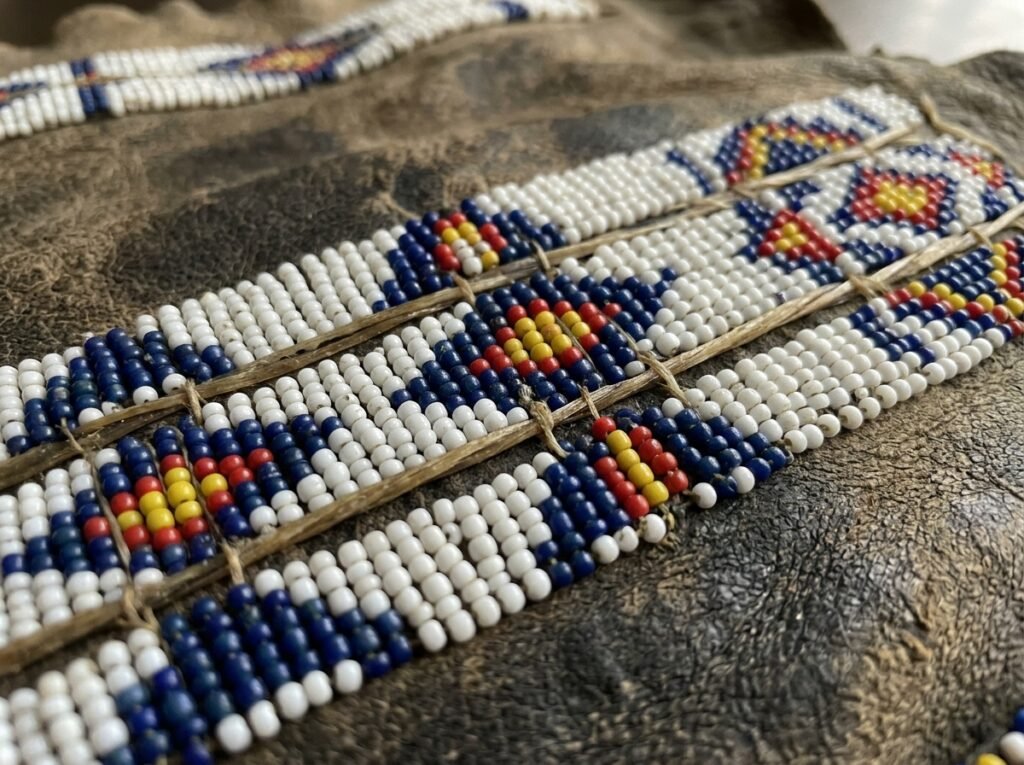
3. Beadwork tells you where, and roughly when
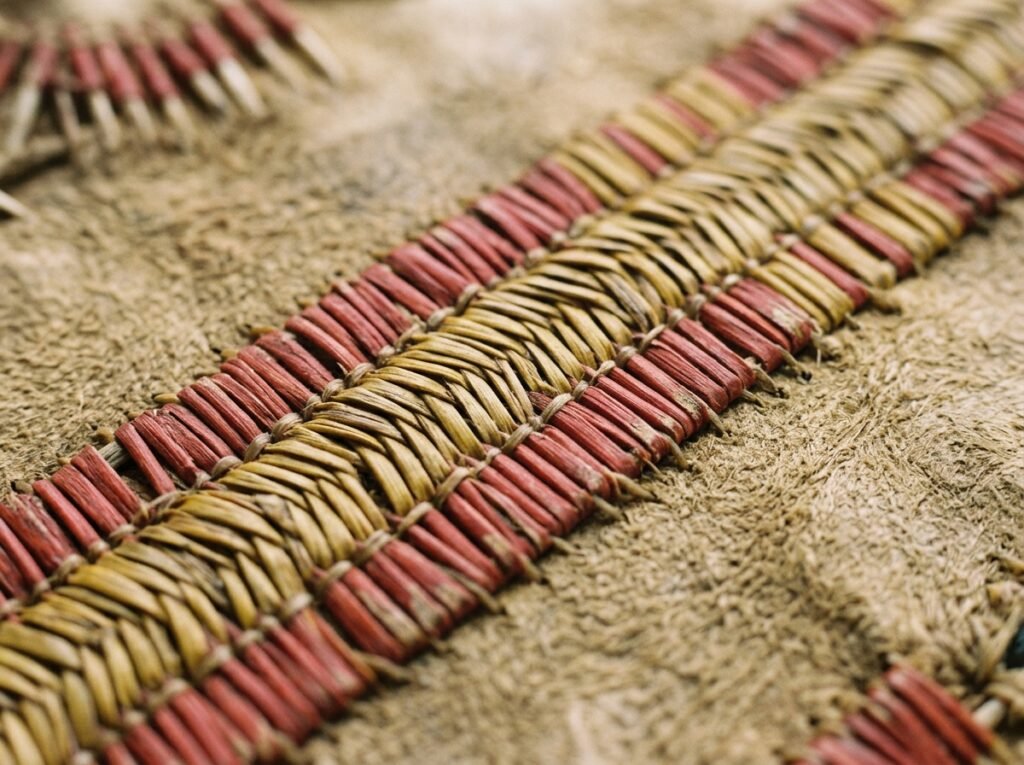
Bead colors, sizes and stitch patterns changed as trade goods arrived, which makes beadwork a rough dating tool as well as a regional marker. Distinct traditions — Lakota, Crow, Blackfeet, Cheyenne and others — are recognizable to a trained eye in the way a dialect is recognizable to the ear. Before glass beads, the same surfaces carried dyed porcupine quillwork, which is older, harder and far less often seen.
4. Hair is a statement, not a style
How hair was worn — wrapped, braided, cut, ornamented — carried meaning about nation, status and circumstance. Cut hair frequently signified mourning. This is precisely why boarding schools cut children’s hair on arrival: the people doing it understood perfectly well what they were taking.
5. Paint is language
Face and body paint could indicate ceremony, war honors, mourning or society membership. The designs were not decorative flourishes and they were not interchangeable between nations. Any article that offers you a tidy chart of “what each color means” across all Native peoples is inventing it.
6. Look for the trade goods
Wool blankets, brass buttons, German silver, mirrors, printed cloth, metal cones on a dress. These are not signs of a culture diluted; they are signs of people who were skilled traders and adopted useful materials fast. The Plains world of the nineteenth century was thoroughly connected to global trade, and the portraits show it.
7. Read the eyes and the year together
A portrait made in 1868 and a portrait made in 1890 sit on opposite sides of a catastrophe. Between them lie the bison collapse, the reservations, and the boarding schools. Knowing the date tells you what the person in the frame had already lived through when the shutter opened.
8. Find out the name
Enormous numbers of these photographs circulate online captioned “Native American woman, c. 1885” when the archive record holds a name, a nation and often a life story. Restoring a name costs a minute of searching and is the single most respectful thing a reader can do with one of these images.
Where to See the Real Ones
- The Smithsonian National Anthropological Archives — a very large photographic collection, much of it online
- The Library of Congress Prints and Photographs Division — searchable, and most of it free to view
- The National Museum of the American Indian — collections presented with tribal input
- Tribal museums and cultural centers — the best captions you will find anywhere, because they were written by the descendants
Look at ten portraits with these eight points in mind and something shifts. You stop seeing a category and start seeing individuals — which is, after all, the whole point of a portrait.
Related: Sarah Winnemucca: the voice that crossed a continent